
What To Include in a Nonprofit Impact Report
What key sections should nonprofits include in an impact report to clearly show their results and connect with supporters?
An impact report isn’t just a document — it’s a powerful storytelling tool that helps your nonprofit celebrate achievements, build trust with donors, and deepen connection with your community. The most effective reports combine heartfelt stories, clear data, and thoughtful calls to action. In this post, you’ll learn the essential content to include in your impact report so it’s informative, engaging, and meaningful to your audience.

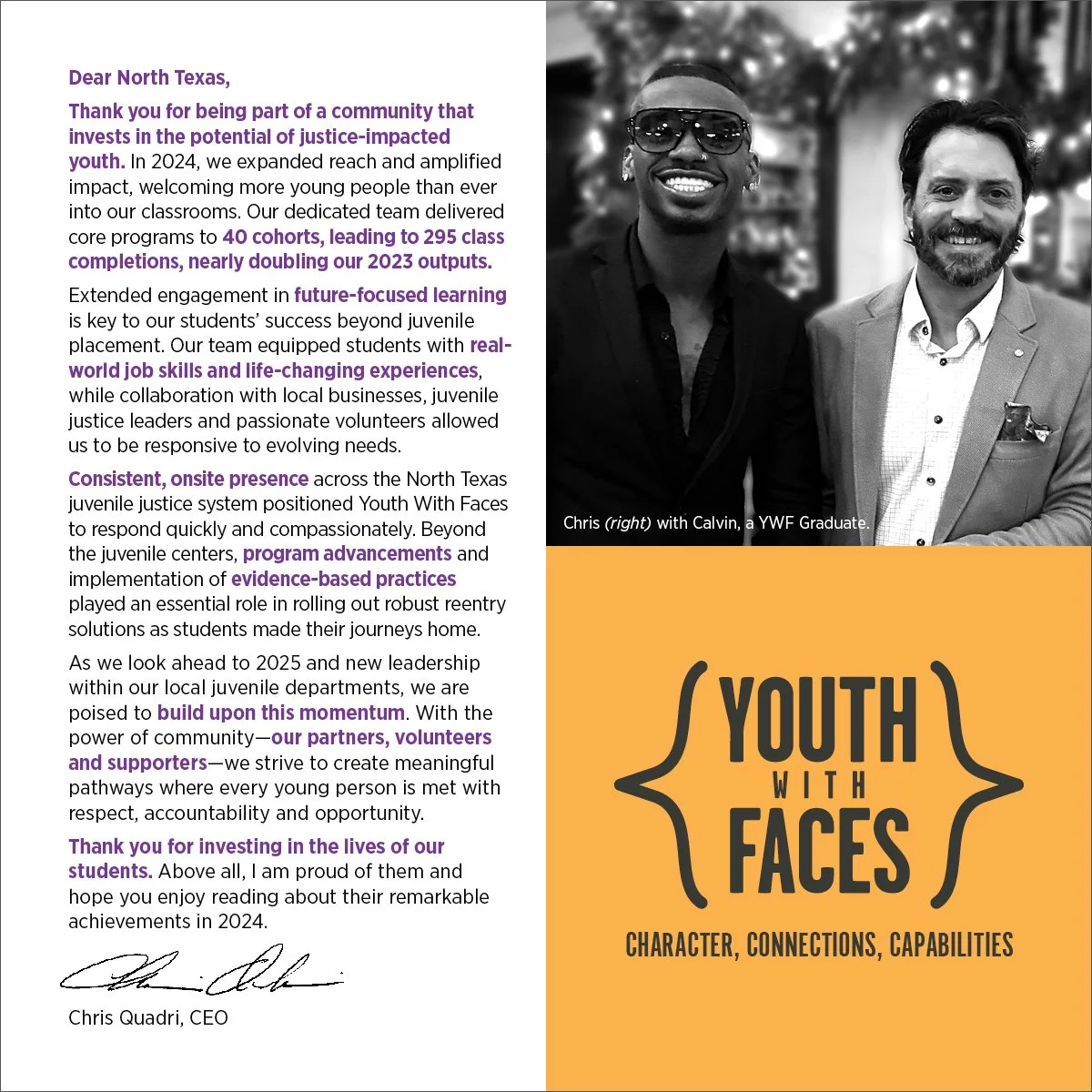
Letter from the CEO
A letter from your CEO or Executive Director sets the tone, reinforces leadership, and connects emotionally with your audience.
Welcome readers and introduce the purpose of the report
Highlight key accomplishments from the year (especially for annual reports)
Thank donors, volunteers, staff, and other stakeholders
Share your vision for the future and what’s next
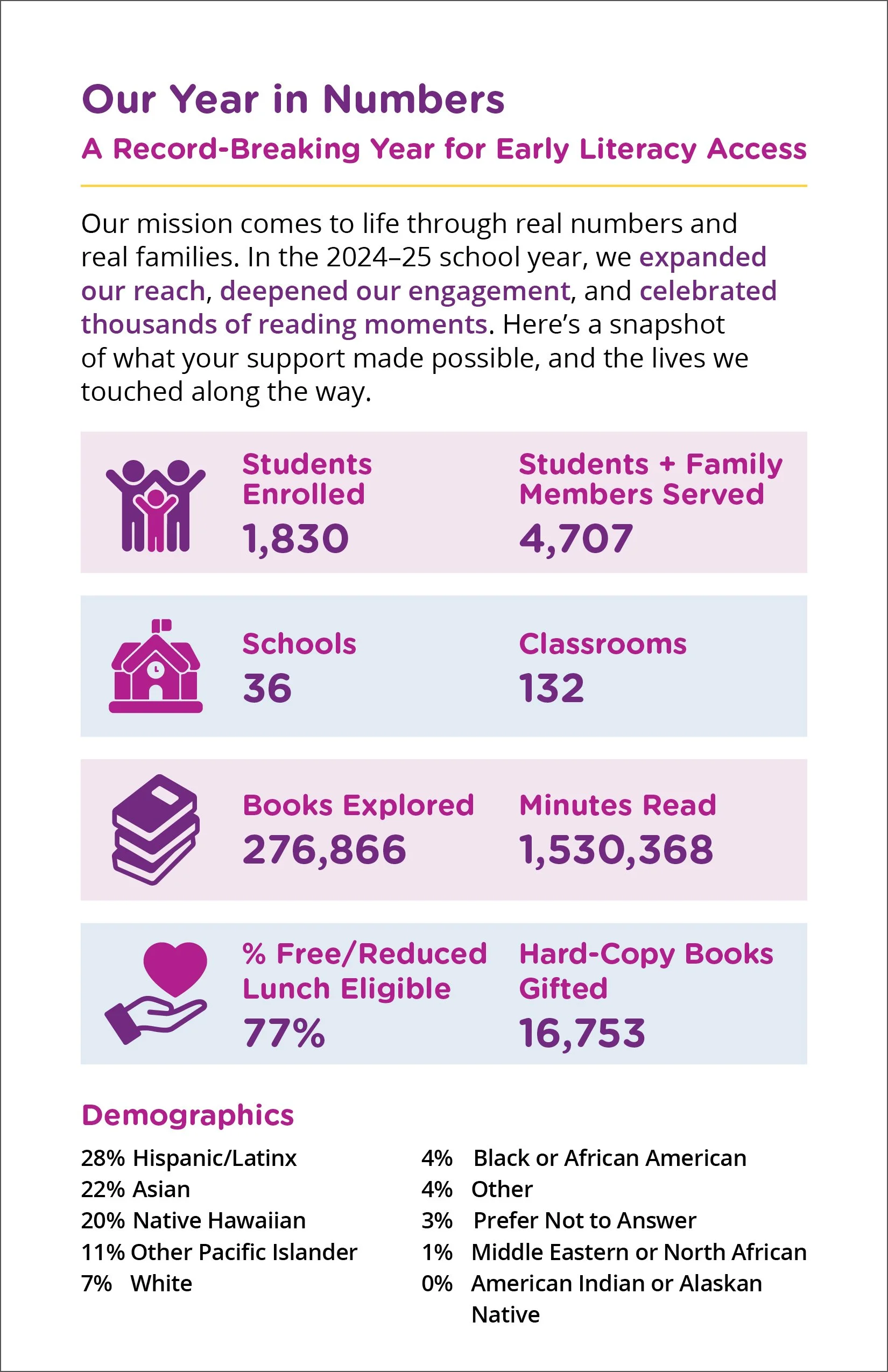
Key Statistics and Data Points
Numbers tell a powerful story — especially when presented in a visual, digestible way. This section is perfect for capturing high-level impact at a glance.
Include “by the numbers” highlights to show your reach and results
Use percentages, dollar amounts, and figures tied to your mission
Format it with icons or infographics for visual appeal
These elements are great for being repurposed into social media posts

Stories of Impact
Personal stories connect emotionally and bring your report to life. Feature real people whose lives have been changed by your work.
Share 2–3 short, compelling stories about individuals or families you’ve helped
Include photos of those featured (with permission)
Write in a conversational, narrative tone to engage the reader
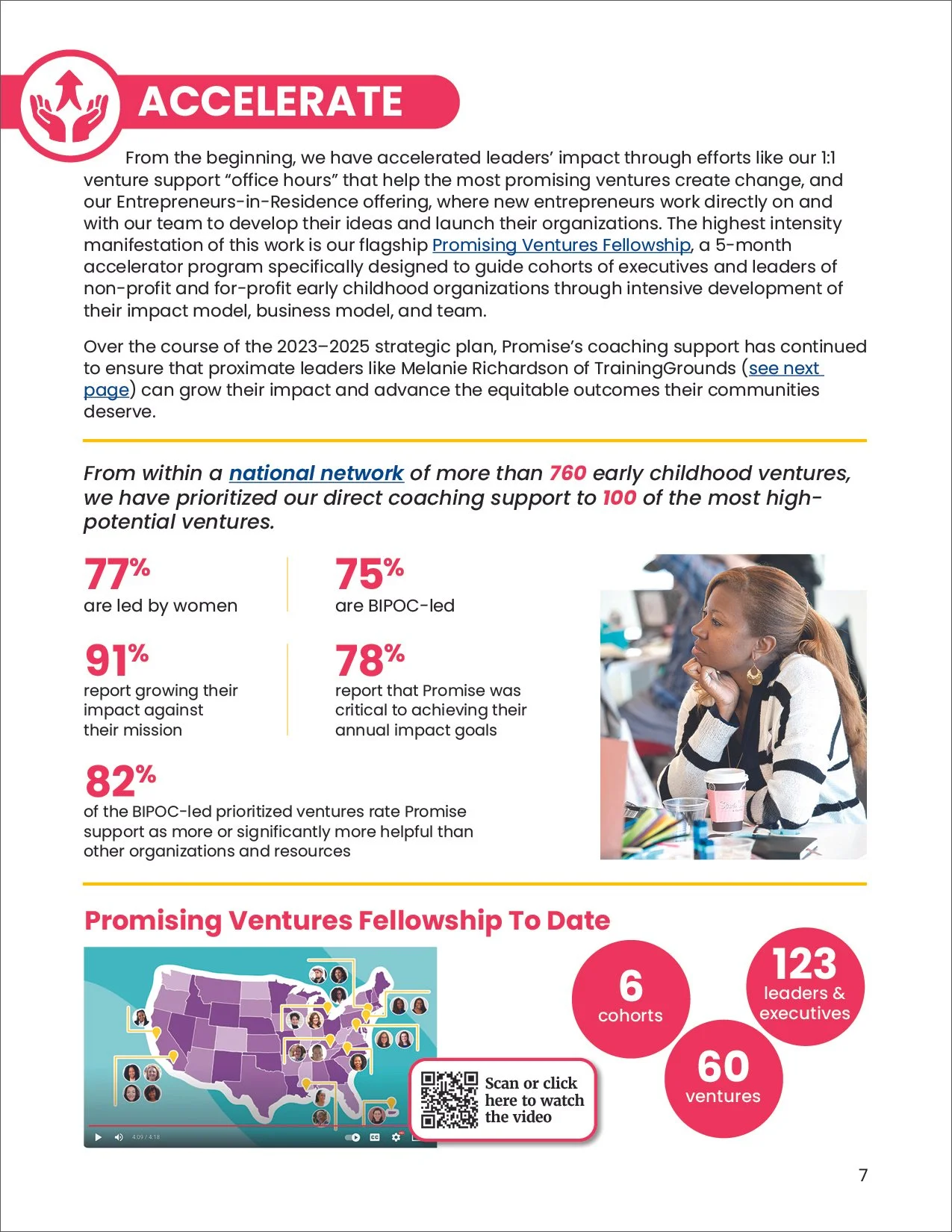
Organization-Specific Highlights
Your organization is unique — make space in the report to highlight the programs, partnerships, or initiatives that define your work.
Showcase partner organizations you collaborated with
Shine a light on your volunteer program or standout volunteers
Recap major events, campaigns, or milestones from the year
Tailor this section to what’s most relevant to your nonprofit’s work
Call to Action
End your impact report by guiding people to their next step. You’ve inspired them — now let them act.
Invite readers to donate, volunteer, or spread the word
Link to your website, donation page, and social media platforms
Other Great Elements to Include
You may want to include some (or all) of the following to round out your nonprofit annual report or impact report:
Mission and Vision Statements – These provide context and clarity.
Testimonials or Quotes – First-person voices from your community add authenticity.
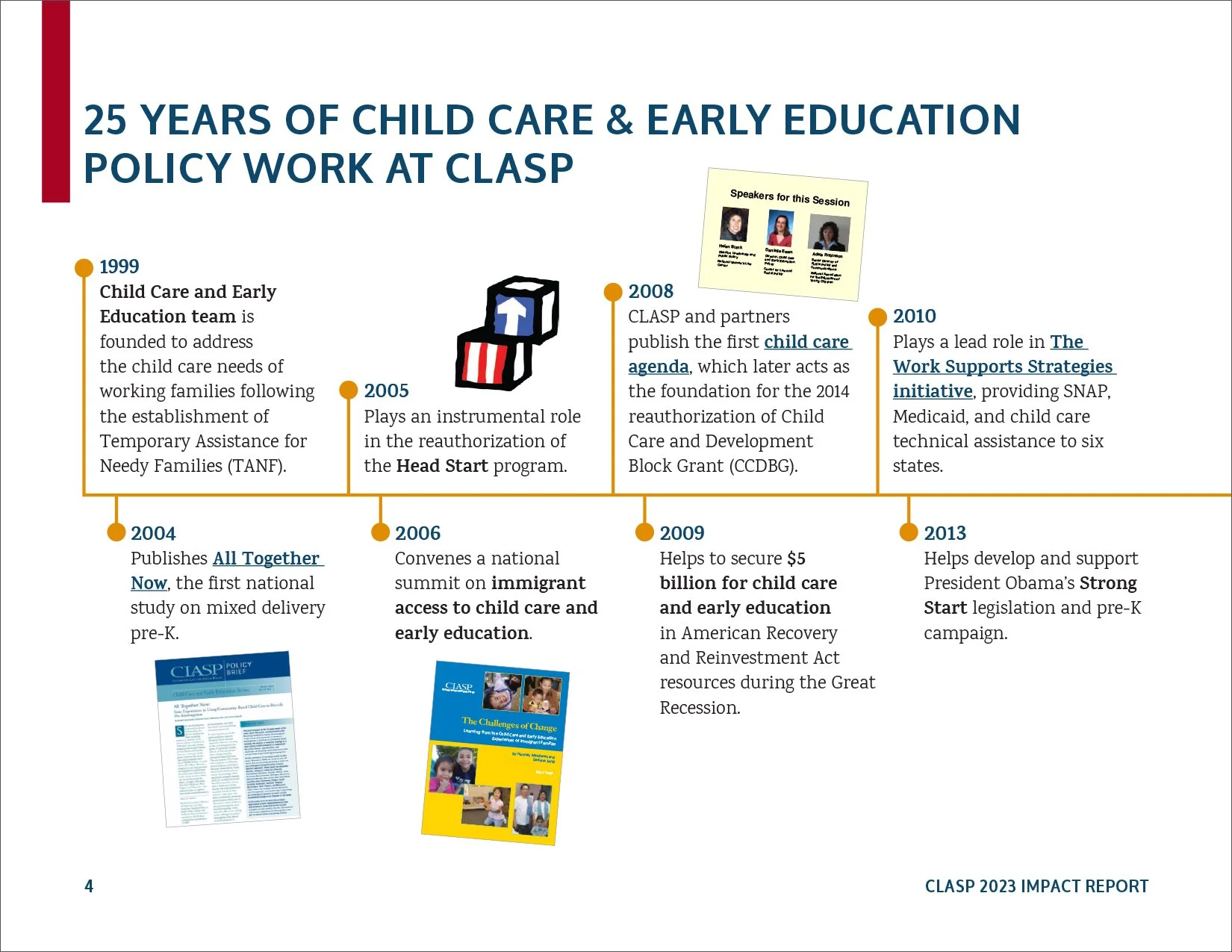
Timeline – If you’re celebrating an anniversary a timeline is a great way to share your impact over the years.
Thank Yous – A brief acknowledgment section or list of names recognizes those who support your work behind the scenes.
Basic Financial Overview – Consider a simple revenue/expense breakdown.
An effective nonprofit impact report doesn’t just share what you did — it shows why it mattered. By combining heartfelt stories, transparent data, and gratitude, you’ll create a piece that informs, inspires, and invites deeper support. Include these essentials to make your impact report something your community will read — and remember.
FAQs
-
A nonprofit impact report is a document — typically published annually — that shows your community what your organization accomplished, how resources were used, and what difference your work made in the lives of the people you serve. Unlike a financial report or internal summary, an impact report is designed to communicate outward: to donors, volunteers, partners, and the broader public.
-
Nonprofits in education and youth services that are creating or refreshing their impact report and want to make sure they’re including the right elements — not just filling pages. Whether you’re producing your first report or your fifteenth, this is for organizations that want their report to do more than exist: to inform, inspire, and deepen the relationships that make your mission sustainable.
-
A report with the right elements — leadership voice, clear data, real stories, and a strong call to action — works on multiple levels at once. Donors feel informed and appreciated. Volunteers feel recognized. Board members have something to point to with pride. Grant applications get stronger. And your organization builds a track record of thoughtful, transparent communication that compounds over time.
-
Because each element does something the others can’t. Data provides credibility — it shows your work has measurable results. Stories provide connection — they make those results feel human and real. A call to action provides direction — it turns inspiration into engagement. Together, these elements create a complete communication experience.